Originally published in China Economic Weekly in 2016. The text below is adapted from the scanned PDF layout.
Standardisation is not a slogan
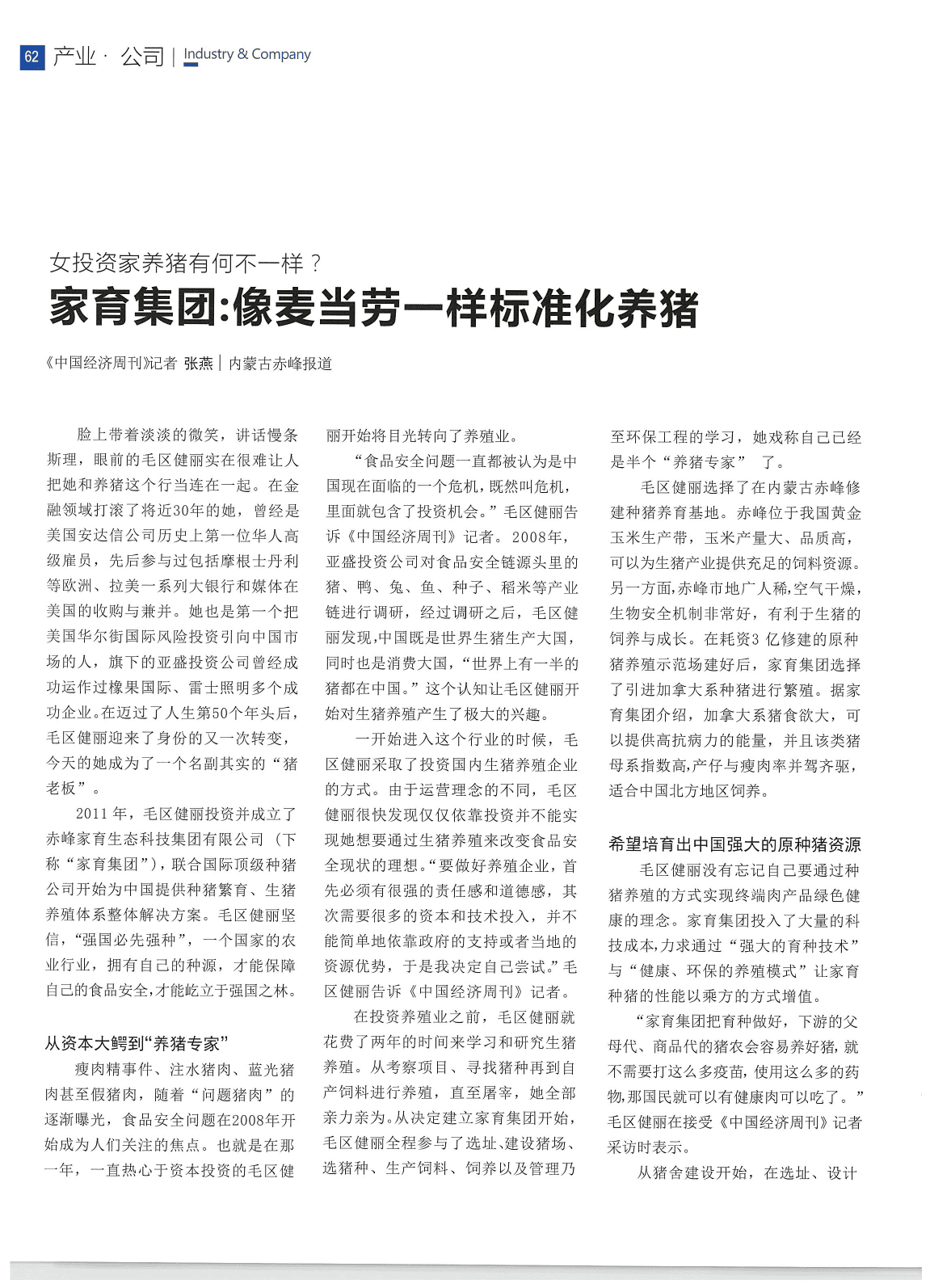
The article proposes a vivid comparison: standardising pig farming like McDonald’s. For Best Genetics, standardisation does not mean reducing agriculture to an assembly line. It means that genetics, feed, environment, workflows, staff operations and data records all follow standards that can be executed and reviewed.
The article notes that after entering the industry, Monita Mo did not focus on short-term expansion. Instead, she began with base construction, herd management and production details, aiming to build a modern farm system that could be replicated.
From capital power to breeding expertise
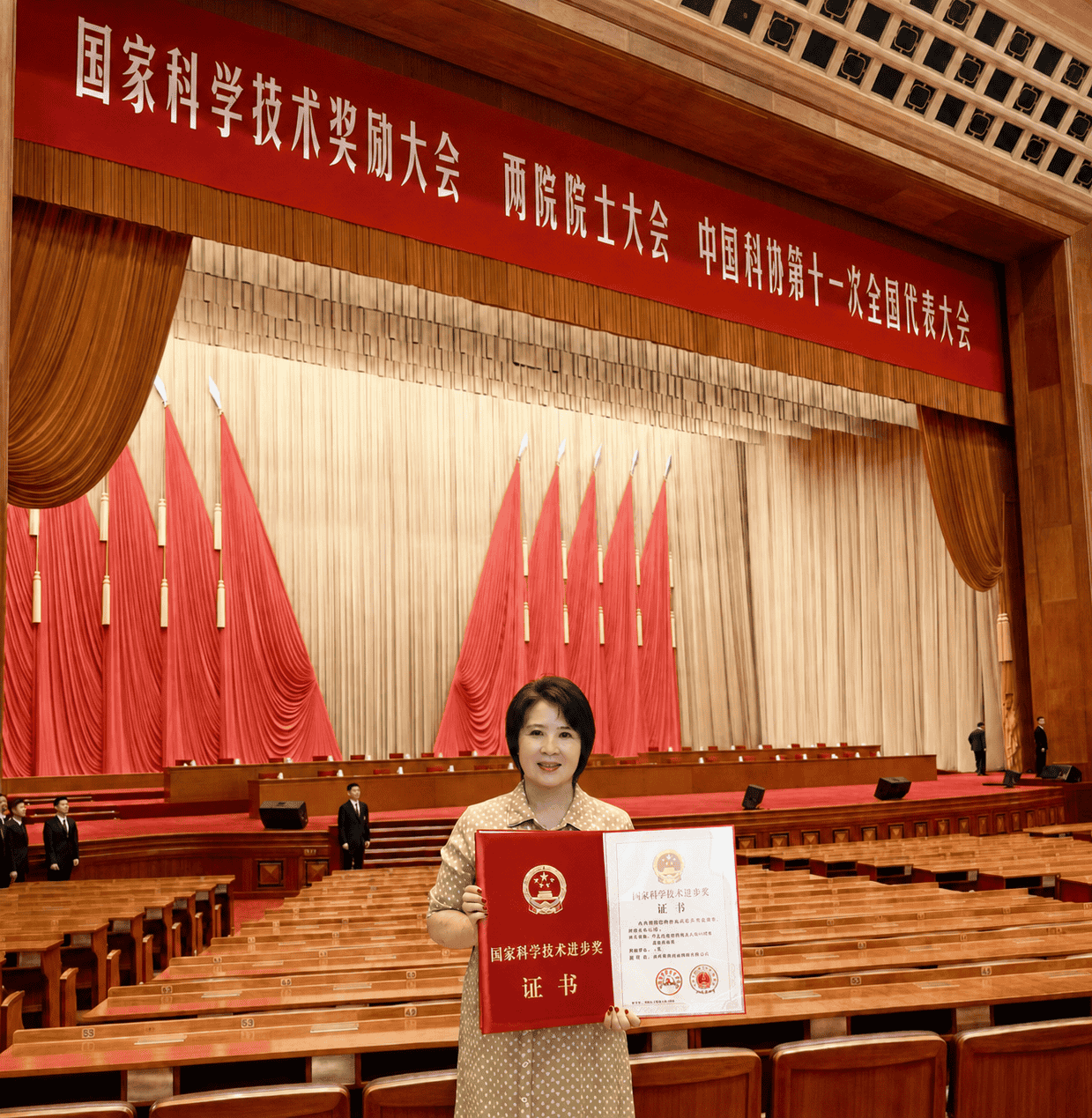
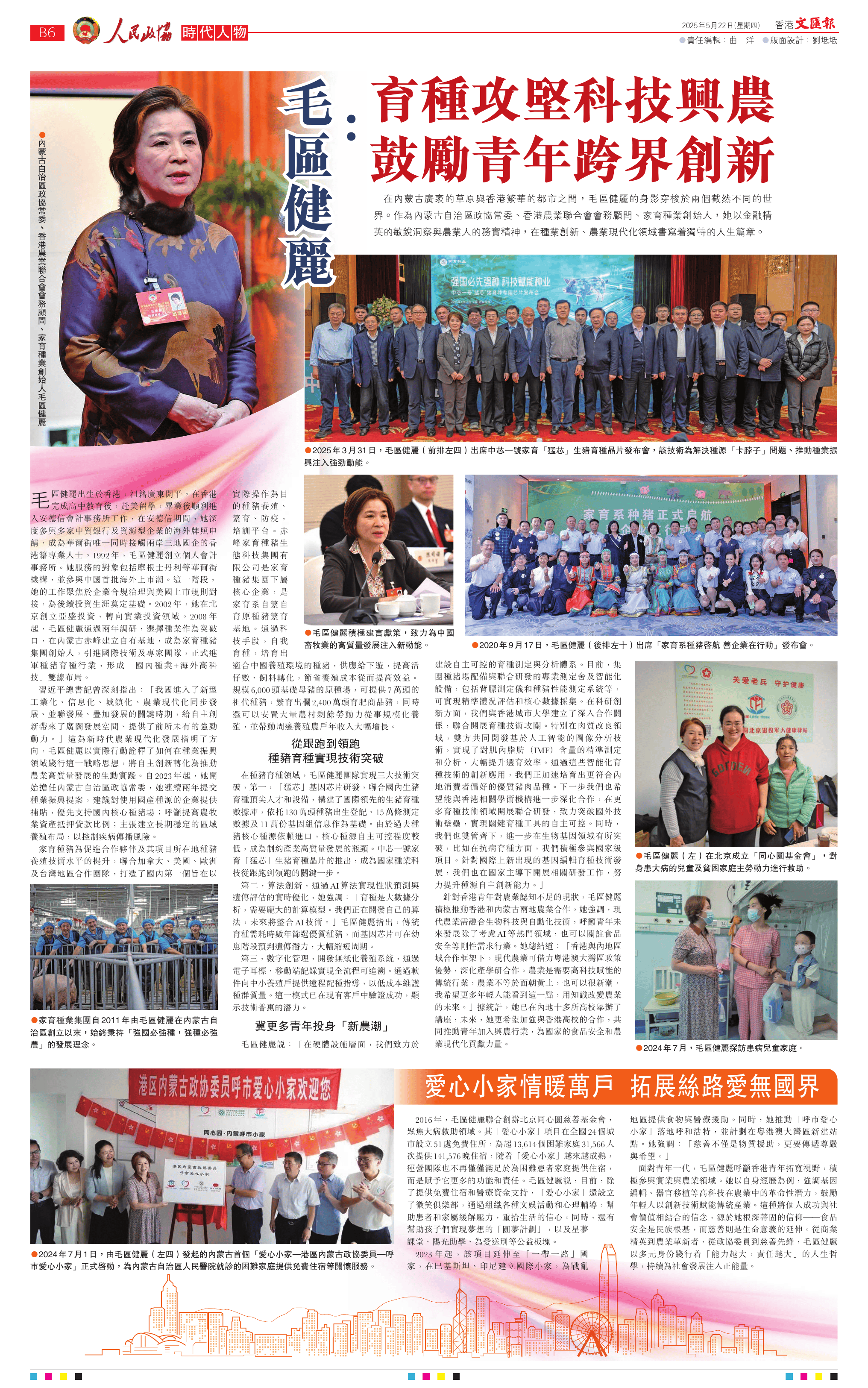
The report pays attention not only to Monita Mo’s cross-sector background, but also to her judgement about local genetics and agricultural upgrading in China. In her view, only by combining modern management, patient capital and scientific breeding can the industry truly improve both efficiency and food safety.
The goal of standardised pig farming is to make herd performance more stable, production more controllable and high-quality genetics more consistent across different operating contexts. That management foundation later supported Best Genetics’ digital systems and breeding-chip development.
The long-term value behind standardisation
This report shows how Best Genetics translated the idea of agricultural industrialisation into daily operations. The objective was never scale for its own sake, but greater certainty in breeding and production through standards, data and continuous iteration.